


Anti-Slip Tape vs. Grit Paint vs. Hi Traction
A Comparative Analysis of Long-Term Performance & Cost
Choosing the right anti-slip solution requires more than comparing upfront costs. This research compares anti-slip tape, grit paint coatings, and Safeguard Technology's Hi Traction system across durability, compliance, installation downtime, and total cost of ownership.
Download The Full Report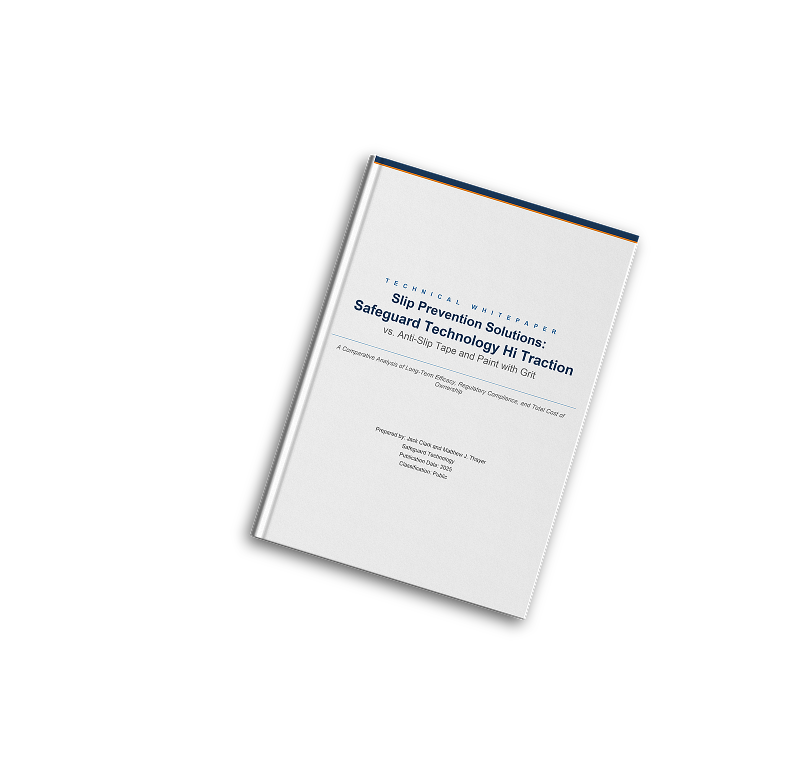
Executive Summary
Slip-and-fall incidents remain one of the most common causes of workplace injuries, resulting in lost productivity, regulatory scrutiny, and significant financial exposure for facility owners and operators. While anti-slip tape and grit-enhanced coatings are commonly used to improve traction, many organizations discover that these solutions degrade over time, creating recurring maintenance costs and potential compliance concerns.
This research compares three widely used anti-slip technologies: traditional anti-slip tape, paint systems with grit additives, and Safeguard Technology's Hi Traction surface treatment. The analysis evaluates each solution across critical factors including installation requirements, traction retention, OSHA and ADA compliance considerations, durability, operational disruption, and long-term cost of ownership.
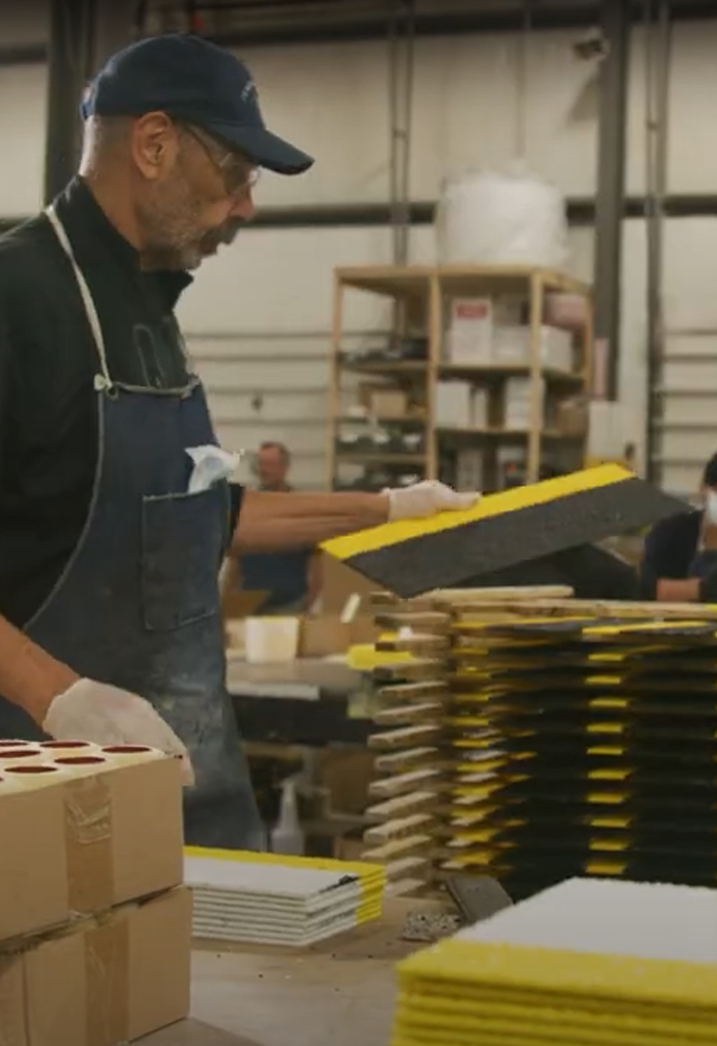
The findings indicate that while anti-slip tape and grit paint may offer lower initial barriers to implementation, their performance typically declines rapidly, requiring repeated replacement and creating additional maintenance demands. In contrast, Hi Traction's fused alumina aggregate technology was developed to provide long-term traction performance in challenging industrial environments including wet areas, oily surfaces, washdown facilities, loading zones, and high-traffic workspaces.
Facilities evaluating anti-slip solutions should consider more than installation cost alone. When compliance longevity, operational downtime, replacement frequency, and liability exposure are included in the analysis, durable surface treatments can deliver significantly greater long-term value than products that require continual replacement.
Download The Full ReportKey Findings
5+ Year Anti-Slip Compliant Performance
Hi Traction Grit maintains OSHA and ADA compliant traction levels for five years or more under demanding industrial conditions, while traditional anti-slip tape and grit paint solutions often degrade below target traction thresholds within 12 to 24 months
Lower 10-Year Cost of Ownership
Long-term ownership costs are reduced by minimizing replacement cycles, downtime, labor expenses, and ongoing maintenance requirements.
Faster Return to Service
Typical Hi Traction installations can be completed and returned to service within the same shift, often requiring only two to four hours. Paint-based systems may require 24 to 72 hours of downtime before reopening.
Improved Performance in Challenging Conditions
The system was designed for environments where water, oils, lubricants, dust, temperature fluctuations, and heavy traffic accelerate the deterioration of conventional anti-slip products.
Reduced Long-Term Risk Exposure
Degraded anti-slip surfaces can create hidden compliance gaps that increase liability exposure. Sustained traction performance helps reduce risk associated with slips, falls, workers' compensation claims, and operational interruptions.
Anti-Slip Comparison at a Glance
| Criteria | Anti-Slip Tape | Paint with Grit | Safeguard Hi Traction |
|---|---|---|---|
| Warranty Period | 6-12 Months | 1-2 Years | 5+ Years |
| Installation Downtime | 4-24 Hours | 24-72 Hours | 2-4 Hours |
| Wet/Oily Performance | Moderate | Low-Moderate | Excellent |
| SCOF Rating Maintained | < 1 Year Typical | 1-2 Years Typical | 5-20+ Years |
| ADA Compliance Longevity | Temporary | Short-Term | Long-Term |
| Aggregate Hardness | N/A | 5-6 Mohs | 9.0 Mohs |
| Estimated 10-Year Cost (100 sq. ft.) | $2,800-$3,600 | $2,400-$4,800 | $2,200-$2,700 |
Regulatory Considerations
Selecting an anti-slip solution is more than improving traction, it’s also about maintaining a safe, compliant environment for employees, visitors, and customers. Facilities must consider how surface treatments perform over time and whether they continue to support workplace safety requirements long after installation.
OSHA Slip Resistance Requirements
OSHA requires employers to maintain walking-working surfaces in a condition that minimizes slip hazards and helps protect workers from preventable injuries. Facilities with high foot traffic, wet conditions, oils, lubricants, or other contaminants should regularly evaluate surface traction to support ongoing safety initiatives and reduce risk.
ADA Compliance Standards
The Americans with Disabilities Act (ADA) places additional emphasis on safe, stable, and slip-resistant walking surfaces. For public facilities, commercial properties, transportation hubs, and government buildings, maintaining accessible pathways is an important consideration when evaluating long-term anti-slip solutions.
Why Long-Term Compliance Matters
Typical Hi Traction installations can be completed and returned to service within the same shift, often requiring only two to four hours. Paint-based systems may require 24 to 72 hours of downtime before reopening.
Total Cost of Ownership
When evaluating anti-slip solutions, focusing solely on upfront material cost can overlook the larger financial impact of ongoing maintenance and replacement. A true cost-of-ownership analysis should account for replacement frequency, installation labor, operational downtime, maintenance requirements, and the potential costs associated with slip-and-fall incidents.
Traditional anti-slip tape and grit paint systems often require recurring replacement as traction performance declines, creating additional labor expenses and disruptions to daily operations. Area closures, surface preparation, product removal, and reapplication can add significant long-term costs that extend far beyond the initial purchase price.
Facilities should also consider the indirect costs associated with degraded surface performance, including productivity losses, increased maintenance demands, and liability exposure resulting from workplace injuries. For many organizations, investing in a durable anti-slip solution can help reduce both operational disruptions and long-term risk.
Who Should Read This Report?
Marine & Offshore Facilities
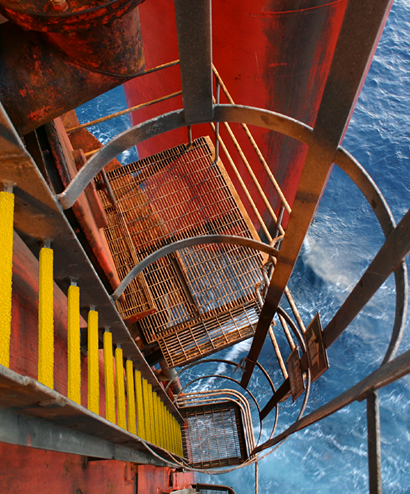
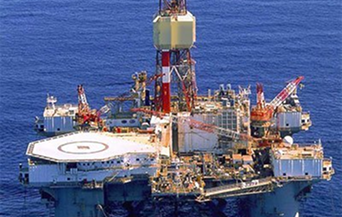
Evaluate anti-slip solutions for shipyards, ferry terminals, docks, offshore platforms, and coastal infrastructure exposed to water, salt, heavy traffic, and harsh environmental conditions.
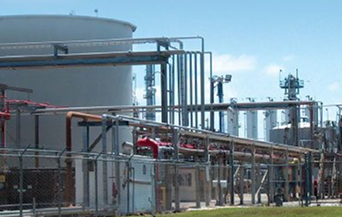
Manufacturing Facilities
Evaluate anti-slip performance in environments exposed to oils, lubricants, machinery traffic, and demanding production schedules.
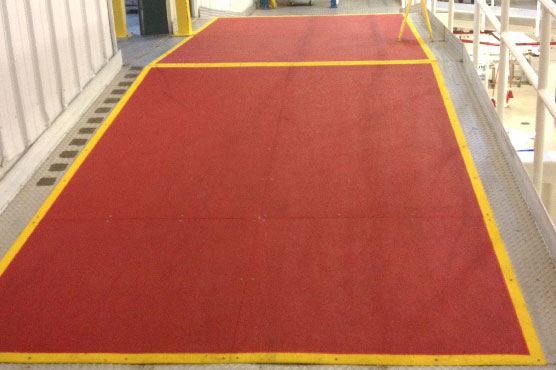
Food Processing Facilities
Learn how slip-resistant surfaces perform in washdown areas, wet production environments, and sanitation-focused operations.
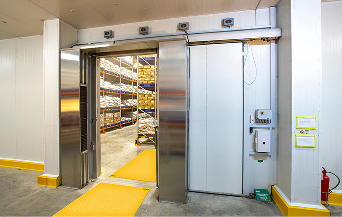
Warehouses & Distribution Centers
Review considerations for loading docks, forklift routes, pedestrian pathways, and high-traffic facility zones.
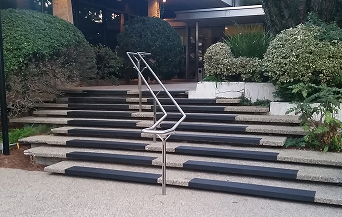
Municipal & Government Facilities
Understand long-term compliance, accessibility, and risk management considerations for public-facing facilities.
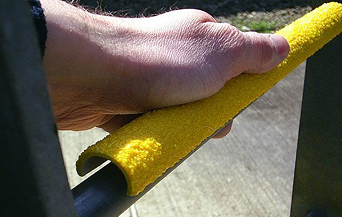
Safety Directors & EHS Professionals
Explore how traction performance impacts workplace safety initiatives, injury prevention programs, and compliance efforts.